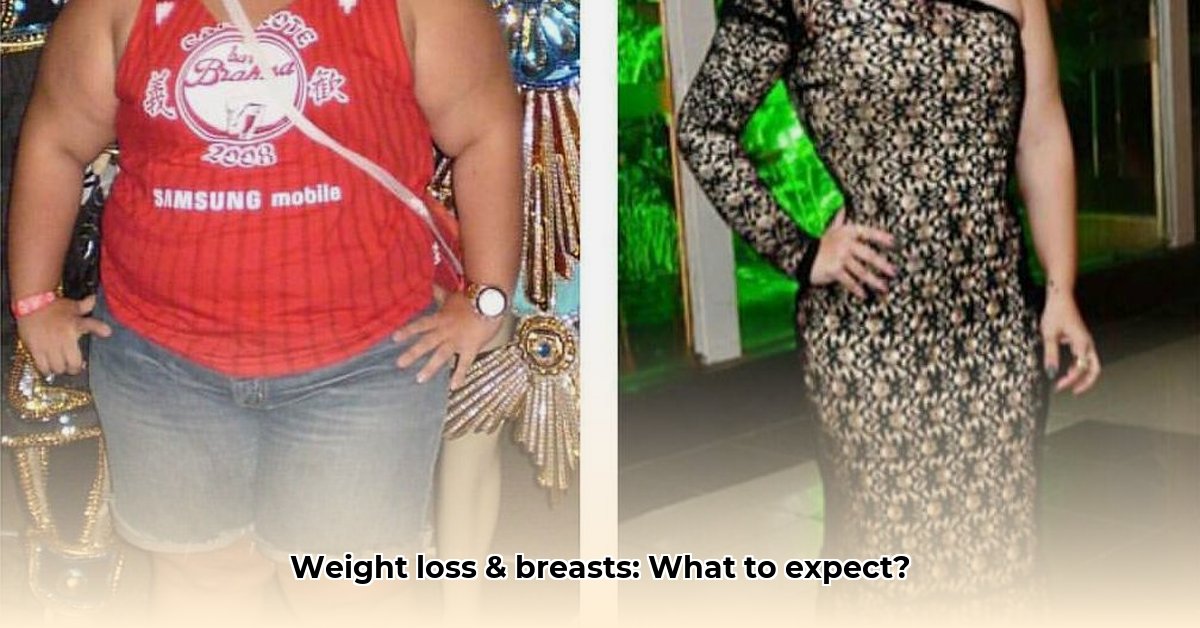
Losing weight is a significant accomplishment, but it can sometimes lead to unexpected changes in your breasts. This comprehensive guide explores the reasons behind these changes, offers practical strategies for addressing concerns, and helps you feel confident in your body throughout your weight loss journey. We'll cover natural changes, available treatments, and the importance of realistic expectations.
Breasts and Weight Loss: Before and After
Significant weight loss frequently impacts breast size and shape. This is primarily because breast tissue is largely composed of fat. As you lose body fat, your breasts will naturally become smaller. However, the changes extend beyond size; shape and firmness can also be affected, largely determined by your skin's elasticity. Weight loss can sometimes result in less perky or even sagging breasts. While this is a natural consequence, it's understandable if it causes emotional distress.
The Emotional Impact of Breast Changes
Experiencing changes in your body can be emotionally challenging, and it's perfectly natural to have feelings about alterations in your breast shape and size. Remember, you're not alone; many women undergo similar experiences. Open communication with your doctor or a therapist can provide valuable support and guidance in processing these emotions. It's crucial to remember that your self-worth is not defined by your breast size.
Managing Expectations: What to Expect from Weight Loss
The magnitude of breast changes varies significantly among individuals. Factors such as age, genetics, and the amount of weight lost all play a role. Avoid expecting dramatic, overnight transformations; these are rare. Consider the process gradual and embrace patience; changes become noticeable over time.
Non-Surgical Approaches to Address Breast Changes
Several non-surgical options can help address concerns about breast changes after weight loss:
Supportive Bras: Wearing a well-fitting, supportive bra is crucial. A properly fitted bra provides lift and helps maintain breast shape, minimizing sagging. Consider bras specifically designed for post-weight loss support.
Topical Treatments: Certain creams and lotions claim to improve skin elasticity and firmness. However, scientific evidence supporting these claims is limited, and results vary. Consult your doctor before using any topical treatments.
Regular Exercise: While exercise won't directly enlarge breasts, it improves overall body tone and health. Strengthening chest and back muscles can enhance posture, partially counteracting sagging.
Remember to discuss any new treatments or products with your healthcare provider before incorporating them into your routine.
Surgical Options for Breast Reshaping
If you're dissatisfied with non-surgical approaches, surgical options might be considered. These procedures are more extensive and involve a longer recovery period. Surgical options include:
Breast Lift (Mastopexy): This surgery lifts and reshapes breasts, improving their position and appearance. It addresses sagging but doesn't change breast size.
Breast Implants: Breast implants are surgically placed to increase breast size and fullness, an option if restoring volume is a primary concern.
Surgical choices are significant decisions. A consultation with a qualified plastic surgeon is essential for a thorough evaluation, outlining risks and benefits, and determining if surgery is the appropriate course of action.
Surgical vs. Non-Surgical: A Comparison
The table below summarizes the pros and cons of surgical and non-surgical approaches. Remember, this is general information and shouldn't replace personalized advice from healthcare professionals.
| Feature | Surgical Options | Non-Surgical Options |
|---|---|---|
| Results | More dramatic, lasting results. | Gradual improvement; effects can be temporary. |
| Cost | More expensive. | Significantly less expensive. |
| Recovery Time | Longer recovery; potential complications. | Minimal downtime. |
| Risks | Surgical risks (infection, scarring). | Generally lower risk; limited evidence for some treatments. |
Improving Breast Firmness After Weight Loss: A Step-by-Step Guide
Many women experience decreased breast fullness and firmness after significant weight loss. Here's a plan to improve breast firmness:
Nutrition: Eat a balanced diet rich in protein, antioxidants, and collagen-boosting vitamins. Include foods like berries, leafy greens, and fish for optimal skin health.
Targeted Exercise: Strengthen pectoral muscles with exercises like push-ups, chest presses, and dumbbell flyes. Consult your doctor for a personalized exercise plan.
Skincare: Implement a skincare routine using moisturizers with ingredients such as hyaluronic acid and retinoids. Regular exfoliation can stimulate cell turnover.
Supportive Bras: Wear a well-fitting, supportive bra, especially during exercise.
Gradual Weight Loss: If still losing weight, aim for a gradual approach to minimize skin stretching.
Dr. Emily Carter, Plastic Surgeon at [Hospital Name], emphasizes, "While lifestyle changes are essential, professional treatments like laser therapy or ultrasound might be considered. However, it's crucial to research thoroughly and consult a qualified professional to assess suitability and potential risks."
Realistic Expectations: Embracing Your Body's Journey
Completely reversing weight loss effects on breast tissue may be unrealistic. Focus on achievable improvements and remember that true beauty comes from within. Prioritize your overall health and well-being. Consult with your doctor or a qualified healthcare professional for personalized advice and support.